Experiencing High-End Course Using MIRA-Dashi™ at “CHIBO Diversity” in Taichung, Taiwan
2026.07.06
collaborator
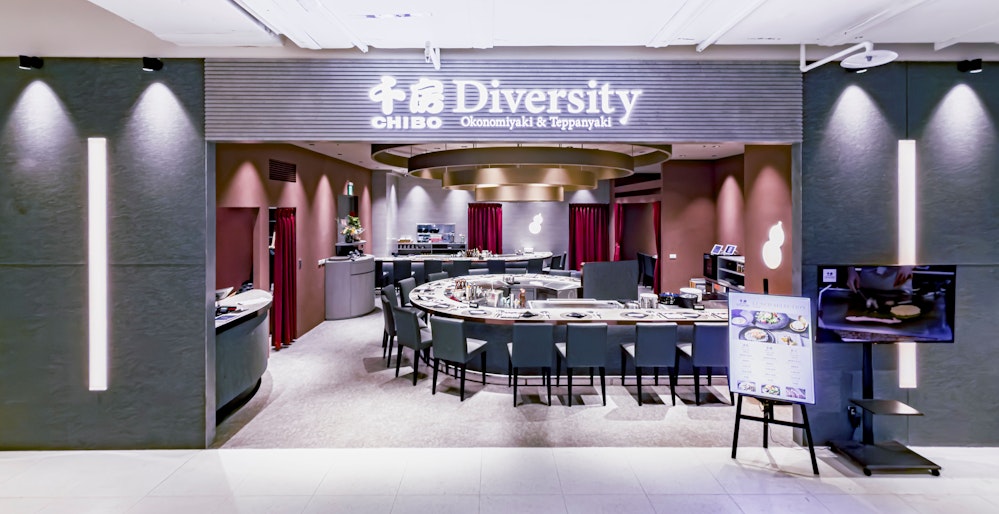
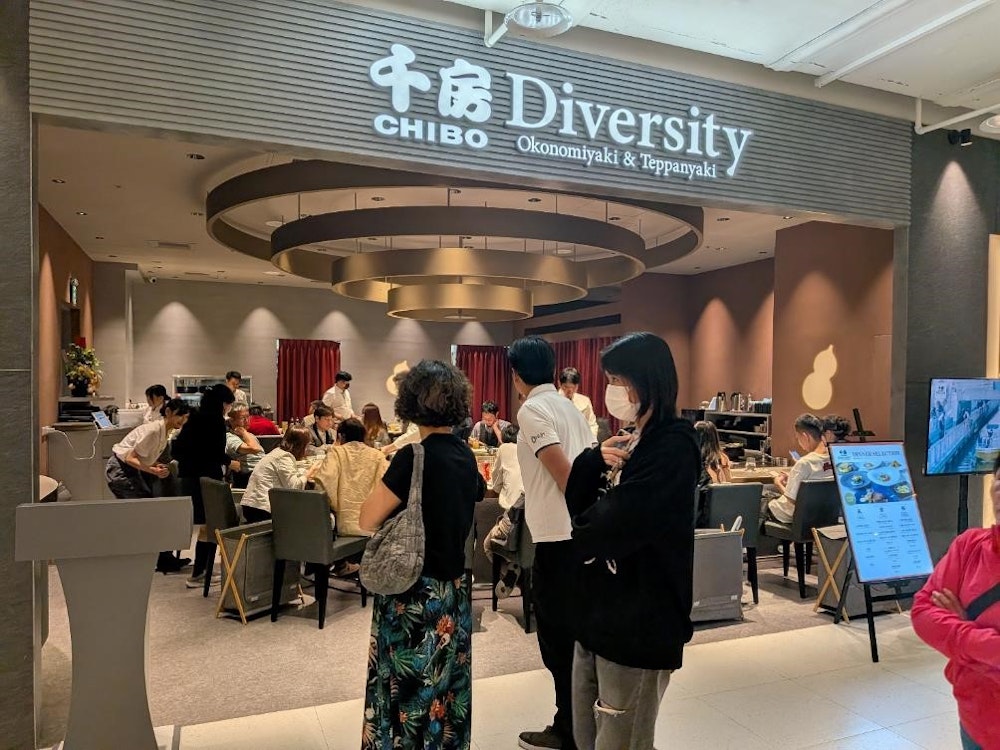
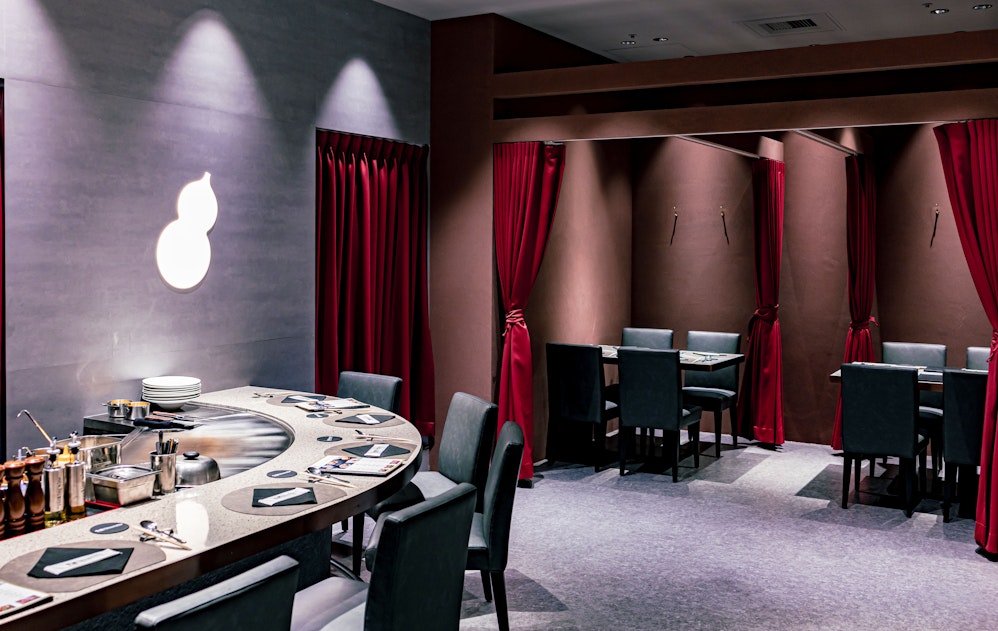
“CHIBO Diversity Taichung Hanshin Intercontinental Store” has opened in Taichung, Taiwan.
Our MIRACORE™ team members visited the restaurant and experienced it firsthand.
How is MIRA-Dashi™ used in this new style, high-end Teppanyaki dining?
How is the concept of “All-Purpose”—an approach that allows different dietary needs to be met within a single shared dining experience— proposed by MIRACORE™, actually implemented in an overseas setting?
Here is our report from the restaurant.
(Visited: late April 2026)
About "CHIBO Diversity"
“CHIBO Diversity Taichung Hanshin Intercontinental Store” is a new high-end Teppanyaki concept opened in Taichung in April 2026 by Chibo Holdings Inc., known as famous Okonomiyaki and Teppanyaki restaurants.
Built on the hospitality cultivated in its premium brand “President Chibo,” the restaurant is designed around a course-based dining experience.
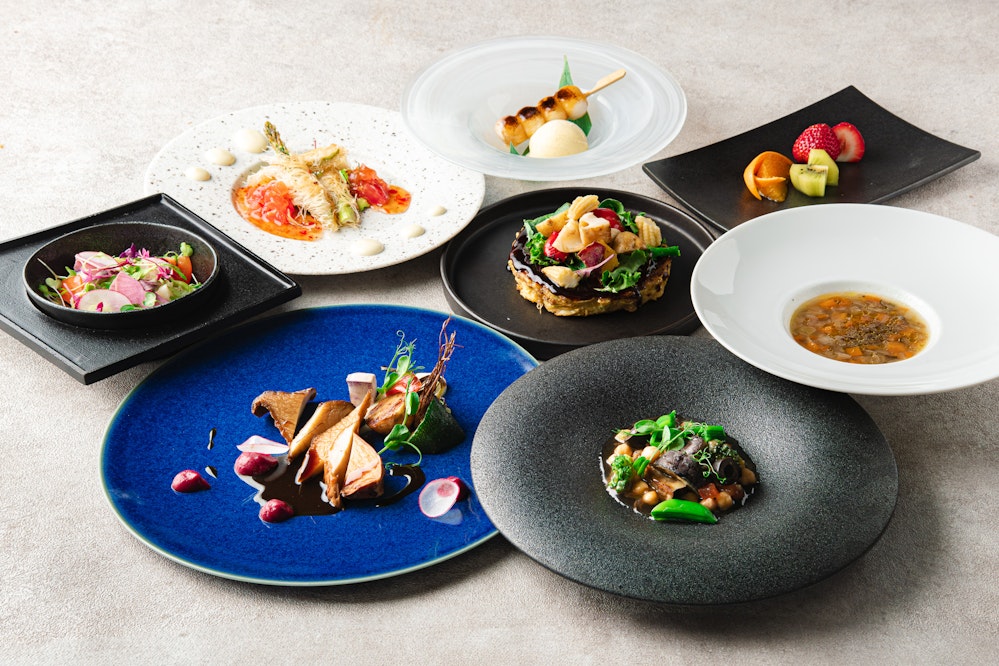
In addition to the standard course, the restaurant also offers a vegetarian course called “Sui En”.
By using MIRA-Dashi™ as a base ingredient, the menu is designed to accommodate food diversity.
In Taiwan, plant-based eating—known as Taiwanese vegetarian cuisine (su-shi)—is widely rooted in the culture. The menus are thoughtfully designed to reflect these local food traditions and preferences, allowing a wider range of guests to enjoy the dining experience together.
During this visit, we found that both the vegetarian course “Sui En” and the standard course follow the same structure, each dish designed to deliver a similar flavor experience and presentation— primarily differing in the choice of main ingredients, such as meats or vegetables.
Fortunately, we had the special opportunity to try both courses!
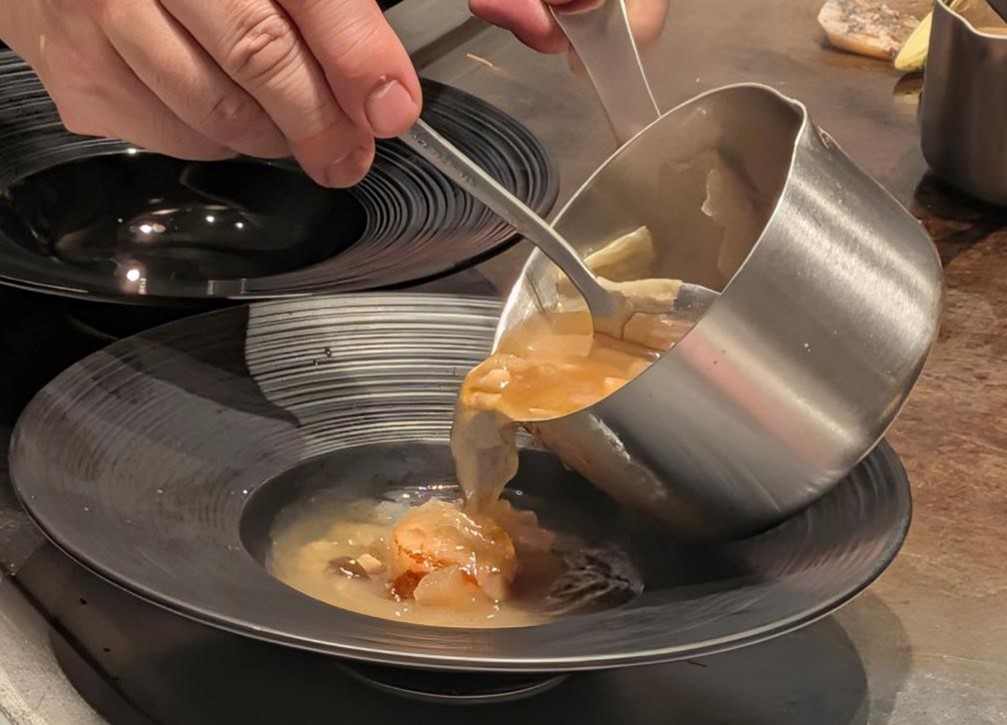
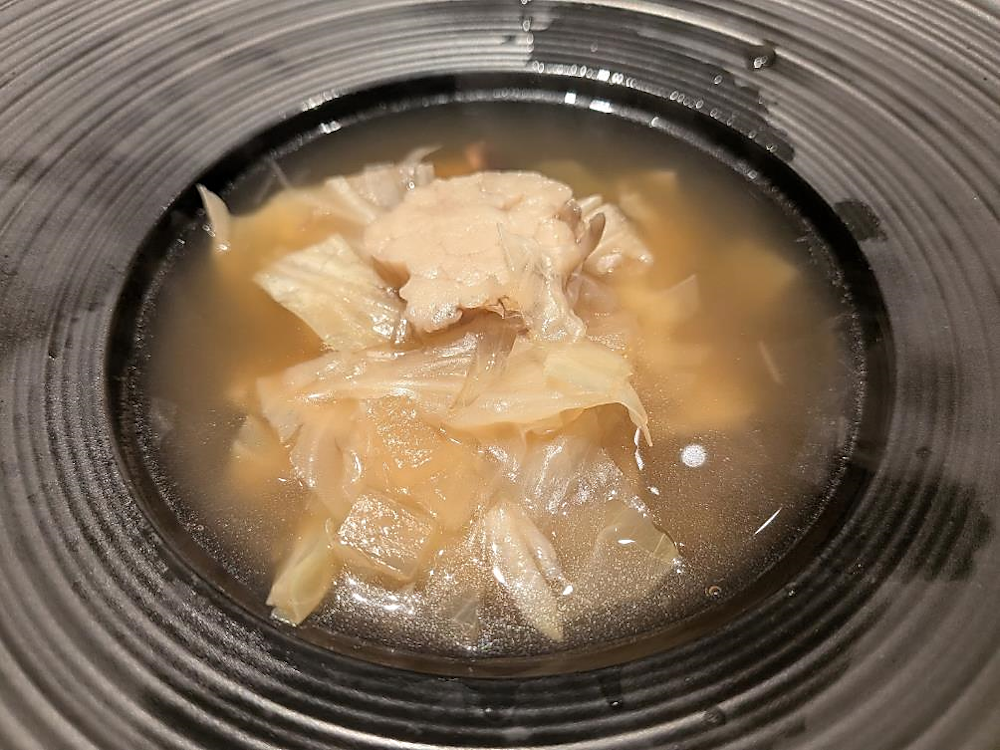
Sui En course : “Truffle & Mushroom Italian-style Vegetable Soup”
The soup had a rich depth of flavor while remaining light texture and well-balanced.
This smooth texture and clean finish made it easy to continue eating.
The natural sweetness of cabbage was highlighted, creating a harmonious overall taste.
As the opening dish, it gently stimulated the appetite and set the tone for the course.
Interestingly, the same soup base is also used in the standard course.
Regardless of whether animal-based ingredients are used or not, the dish delivers a satisfying depth of flavor.
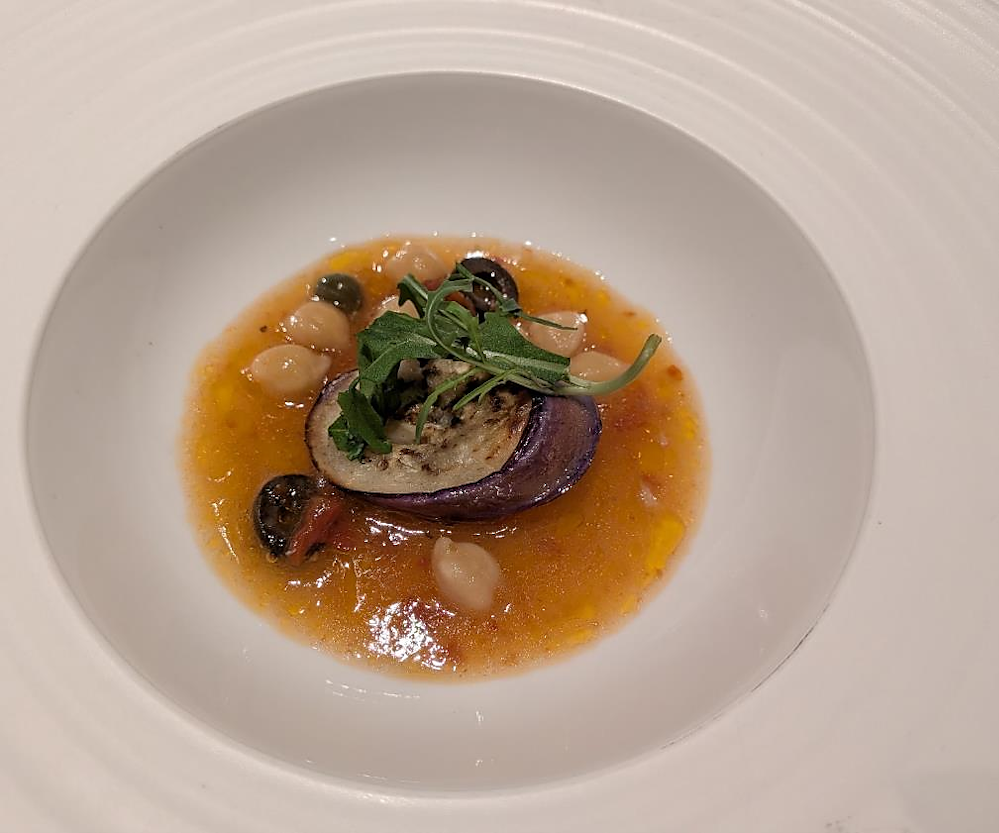
Sui En course : “Vegetable Acqua Pazza”
The featured vegetable in this dish was eggplant.
Its natural sweetness combined with the texture of chickpeas created a well-balanced composition.
The sauce was slightly richer than the soup, yet still light enough to enjoy comfortably until the end.
As part of the course flow, the gradual increase in flavor intensity naturally built anticipation for the next dish.
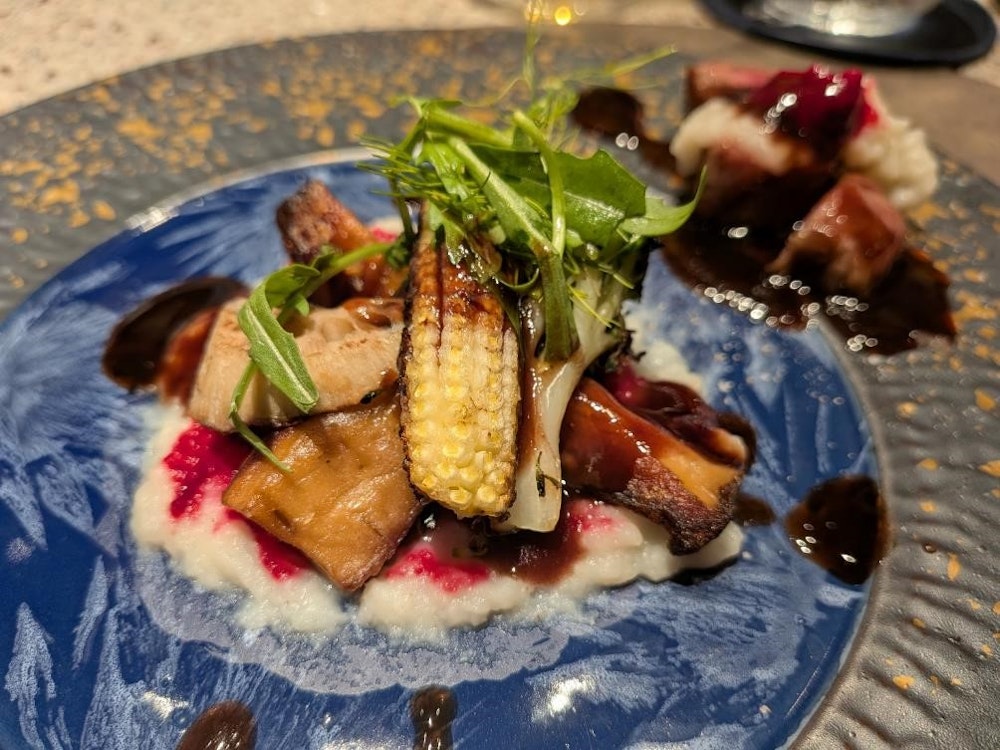
Steak (Mushroom steak / Japanese Black Wagyu sirloin)
We tasted both the plant-based mushroom steak and Japanese Black Wagyu sirloin in small portions.
Both dishes were highly satisfying.
The grilled vegetables brought out natural sweetness and aroma, pairing beautifully with CHIBO’s original sauce.
The mushroom steak offered a firm bite and rich umami, proving that a plant-based dish can still feel substantial and fulfilling.
The Wagyu sirloin, on the other hand, was tender and juicy, showcasing the quality of the ingredient.
Notably, the same sauce was used for both dishes, blending naturally with both vegetables and meat.
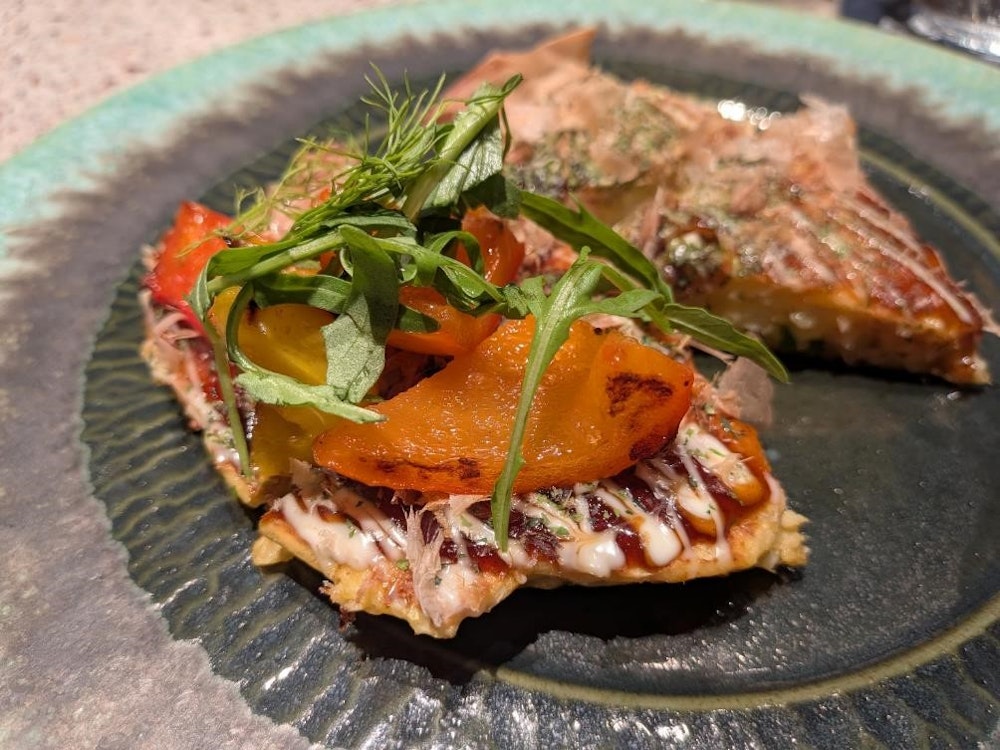
Okonomiyaki (Plant-based / Original)
We also tasted both plant-based and original okonomiyaki.
The plant-based version delivered a rich flavor and satisfying texture, while the fresh grilled vegetables added a light balance, making it enjoyable until the very end.
The gluten-free batter also made it a reassuring option for guests with dietary restrictions.
The original okonomiyaki offered a refined and layered flavor, allowing us to fully enjoy the authentic taste of Japanese cuisine.
Even though the ingredients differed, the overall flow of the course and the level of satisfaction remained consistent.
It was clear that guests at the same table could share the same “dining experience” at the same “time”.
Not an “special handling”, all are harmonized for the fully integrated experience.
When we visited on a Friday evening, the restaurant was nearly full, showing its popularity.
The guests were diverse in age and background, reflecting the concept of “Diversity” in practice.
Even youthful guests nearby were ordering the plant-based course “Sui En”, indicating that it is not limited to a specific visitor but embraced more broadly.
What stood out most was that people with different dietary backgrounds could naturally share the same table and enjoy the same level of satisfaction.
In many dining settings, dietary needs are handled through “special accommodations”.
Here, however, everything is designed as a single base from the beginning.
No one has to compromise.
No need to choose something entirely different.
Each needs fit naturally into the same flow.
This design created a comfortable and cohesive atmosphere throughout the restaurant.
Vegetarian course “Sui En”
What we felt during our visit to Taichung was that the concept of “All-Purpose” is already functioning naturally overseas.
At this restaurant, all-purpose idea is realized in a practical, everyday dining experience.
Rather than separating meals, simplifying the design itself allows people with different dietary backgrounds to share the same table and the same experience.
In a place like Taiwan, where diverse food cultures coexist, seeing this approach integrated into daily dining is particularly meaningful.
A restaurant that brings together the spirit of Japanese hospitality and Taiwan’s food culture
The way MIRACORE™ supports new culinary possibilities is beginning to expand beyond Japan and into various global contexts.
We look forward to seeing how these dining experiences will continue to evolve—and to exploring them firsthand in the future.